Energy Reports Explained
Understanding The Difference Between An EPC And An Energy Report
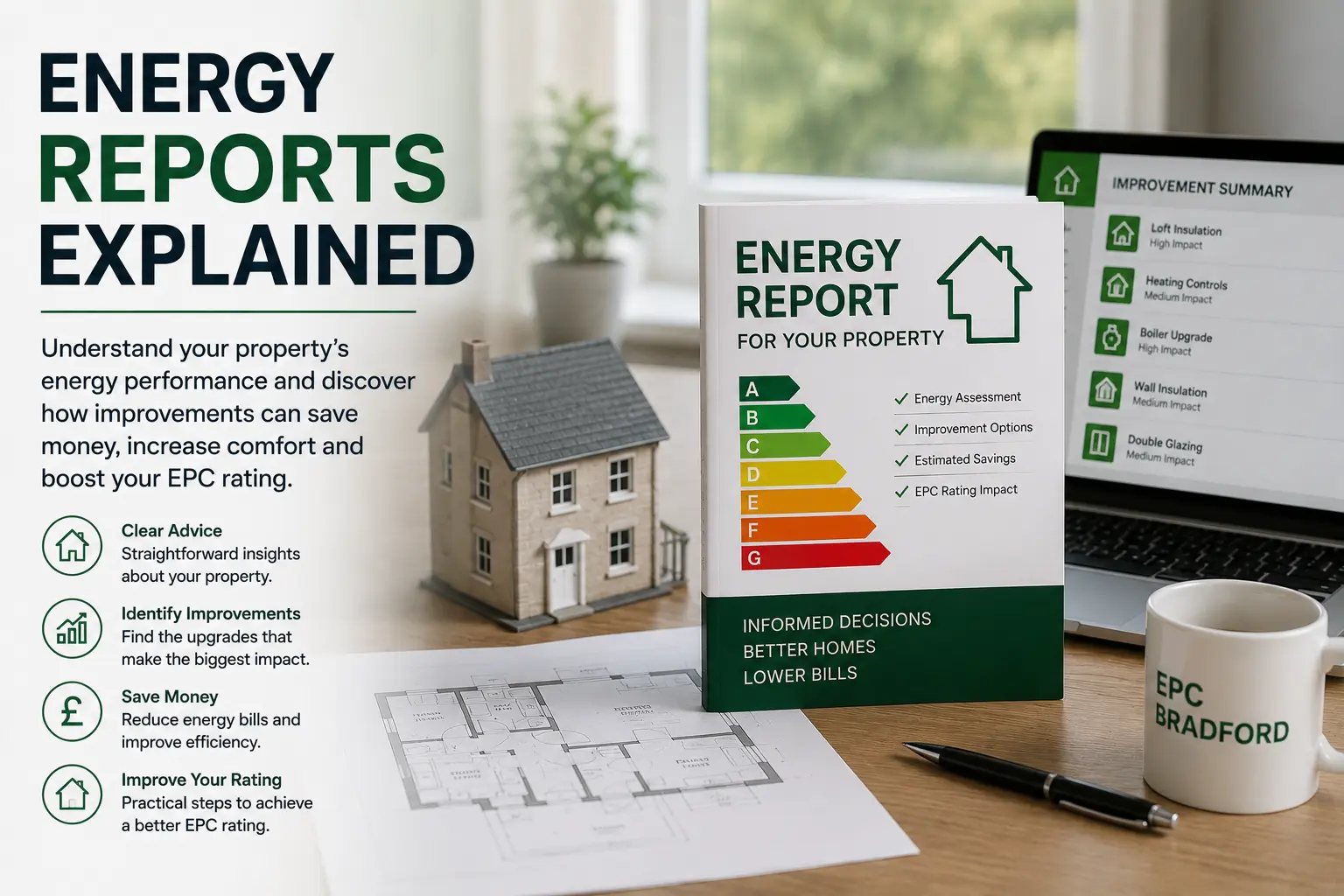
Many property owners are familiar with Energy Performance Certificates (EPCs), but fewer understand what an Energy Report is and how it may help identify practical opportunities to improve a property’s energy efficiency.
While an EPC provides an official energy rating, an Energy Report can offer additional insight into how a property performs and where improvements may deliver the greatest benefit.
This page explains the differences and when an Energy Report may be worth considering.
What Is An EPC?
An Energy Performance Certificate (EPC) is an official document that provides:
- An energy efficiency rating from A to G
- Estimated energy costs
- Environmental impact information
- Recommended energy improvements
- A potential future rating
An EPC is often required when selling or renting a property and remains valid for ten years.
The EPC provides a useful overview but is designed to follow a standardised national assessment method, book an EPC assessment.
What Is An Energy Report?
An Energy Report is a more detailed review of a property’s energy performance.
Rather than focusing solely on producing an EPC rating, an Energy Report looks at the practical measures that may help improve efficiency, reduce heat loss and potentially increase future EPC ratings.
The report can help property owners better understand:
- Where energy is being lost
- Which improvements may have the greatest impact
- Which upgrades may offer limited benefit
- How different measures work together
- Potential improvement priorities
- We offer completely free advice to improve your EPC rating.
Why Consider An Energy Report?
Many homeowners and landlords know they would like to improve energy efficiency but are unsure where to start.
Without guidance, it is easy to spend money on improvements that have little impact on comfort, running costs or EPC ratings.
An Energy Report can help identify practical opportunities and provide a clearer understanding of where investment may be most effective.
Understanding Improvement Priorities
Not all energy improvements provide the same results.
For example:
- Loft insulation may offer significant benefits in some properties.
- Heating controls may improve efficiency at relatively low cost.
- Older boilers may reduce overall performance.
- Wall insulation may be beneficial in certain property types.
An Energy Report helps explain which measures may be most relevant to the individual property.
Useful For Landlords
Landlords often have additional considerations when reviewing energy performance.
An Energy Report may help identify:
- Areas affecting EPC ratings
- Potential improvement opportunities
- Property-specific energy considerations
- Practical upgrade options
- Here is your free Landlords Guide.
This information can support future planning and investment decisions.
Useful For Homeowners
Homeowners frequently request energy advice when:
- Planning renovations
- Improving comfort
- Reducing heating costs
- Purchasing an older property
- Reviewing energy efficiency
An Energy Report can provide a clearer understanding of how a property’s construction, insulation and heating systems contribute to overall performance.
Older Properties Often Benefit Most
Many traditional properties across West Yorkshire have unique construction features that can affect energy performance.
Examples include:
- Solid stone walls
- Older roofing structures
- Limited insulation
- Traditional heating systems
- Historic alterations and extensions
Because every property is different, improvement priorities can vary considerably.
An Energy Report can help identify areas that deserve closer attention.
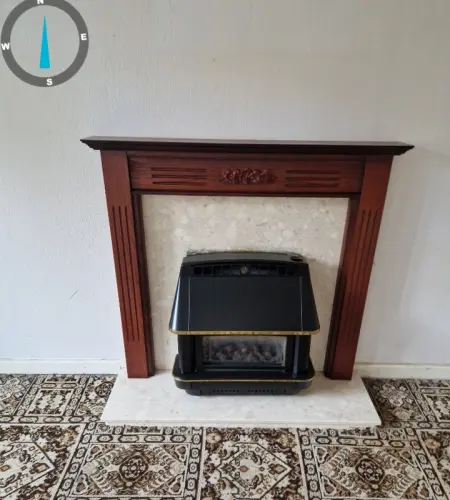
Traditional Heating System Gas Fire – Keighley – June 26
Before Spending Money On Improvements
One of the most common mistakes property owners make is carrying out upgrades without understanding their likely impact.
An Energy Report can help you make more informed decisions before investing in:
- New heating systems
- Insulation upgrades
- Window replacements
- Energy efficiency improvements
- Property refurbishment projects
Understanding likely benefits beforehand can help avoid unnecessary expenditure.
What Improvements Are Commonly Considered?
Depending on the property, recommendations may include:
✔ Loft insulation improvements
✔ Heating control upgrades
✔ Boiler replacements
✔ Lighting upgrades
✔ Reducing draughts and heat loss
✔ Insulation improvements
✔ Reviewing electric heating systems
✔ Renewable energy options
The suitability of any recommendation will depend on the specific property.
Energy Reports And EPC Ratings
An Energy Report does not replace an EPC.
Instead, it can help explain:
- Why a property has achieved its current rating
- Which factors affect the score
- Which improvements may be worth considering
- How future energy performance might be enhanced
This additional information can be particularly valuable when planning future improvements.
Is An Energy Report Right For You?
An Energy Report may be useful if you:
- Own a rental property
- Are planning energy improvements
- Want to understand your EPC rating better
- Are renovating a property
- Have purchased an older home
- Want practical energy efficiency guidance
Every property is different, and understanding where to focus improvement efforts can often be more valuable than simply knowing the EPC rating alone.
Need Advice About Energy Efficiency?
If you would like to understand your property’s energy performance in more detail, we can provide practical guidance and discuss whether an Energy Report may be suitable.
We provide EPC assessments and energy efficiency advice across:
- Bradford
- Leeds
- Halifax
- Huddersfield
- Wakefield
- and surrounding West Yorkshire areas
Our EPC Improvement Checklist explains some of the practical improvements that may contribute to a better EPC rating.
Domestic EPCs from £49
📞 01274 020 890
Or visit our Book EPC page to arrange an appointment.