What Happens During An EPC Assessment?
What To Expect During
Your EPC Visit
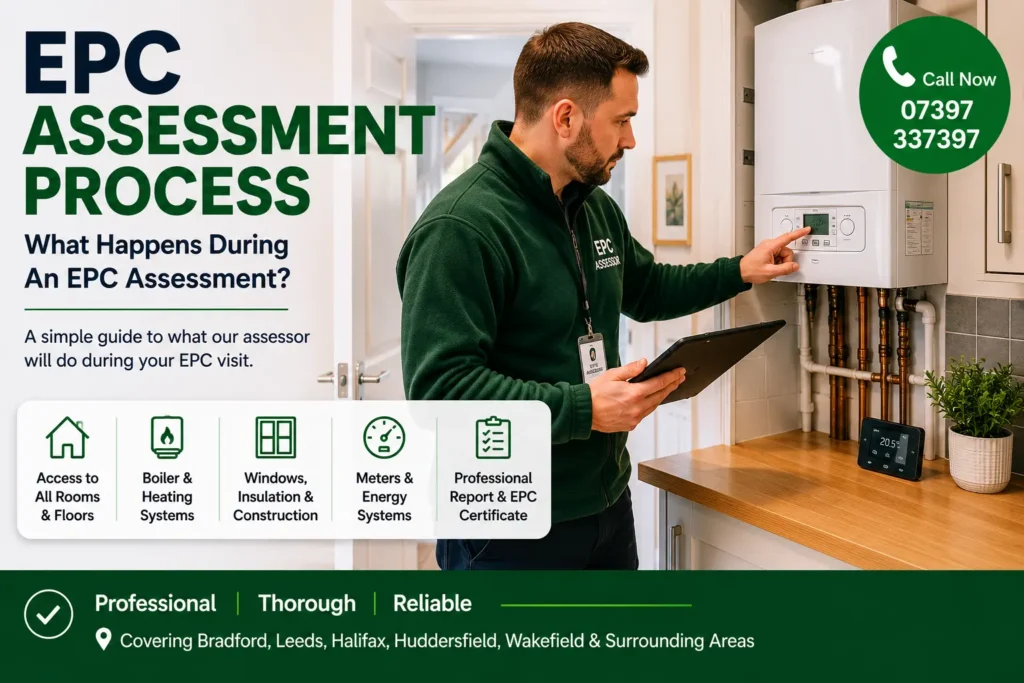
EPC Procedure – How EPC Assessment is Carried Out
Professional Domestic EPC Assessments Across West Yorkshire
If you have never arranged an Energy Performance Certificate before, you may be wondering what actually happens during the appointment and what the assessor needs access to.
This guide explains how a domestic EPC assessment is typically carried out and how you can help the visit run smoothly.
What Is An EPC Assessment?
An Energy Performance Certificate (EPC) measures the energy efficiency of a property.
During the visit, a Domestic Energy Assessor (DEA) collects information about the property including:
- Construction type
- Insulation levels
- Heating systems
- Windows
- Lighting
- Overall energy performance
This information is then entered into approved government software which generates the EPC certificate and energy rating.
How Long Does An EPC Assessment Take?
Most domestic EPC assessments take approximately:
- 30–60 Minutes for average sized properties
- Slightly longer for larger or more complex homes
The time required can vary depending on:
- Property size
- Number of rooms
- Accessibility
- Property layout
- Available documentation
Access Requirements During The EPC
To carry out the assessment correctly, the assessor will normally require access to:
✔ All main rooms
✔ All floors within the property
✔ Loft access (where safely accessible)
✔ Heating systems and boilers
✔ Hot water systems
✔ Windows and glazing
✔ Electric and gas meters
✔ Extensions and converted areas
The assessor may also need to inspect both the front and rear elevations of the property externally where possible.
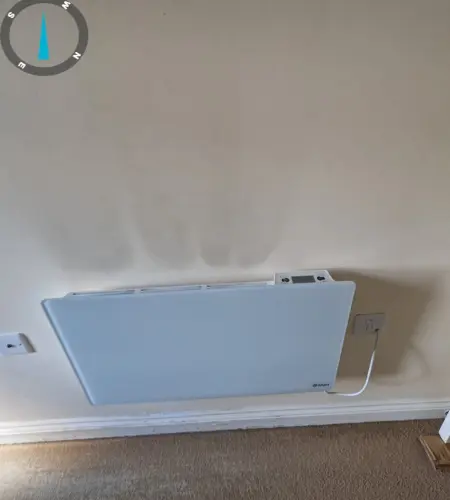
Electric Heating System Being Checked For Programmer – Bingley – June 25
Why Full Access Is Important
The EPC is based on measured and observed information.
If certain parts of the property cannot be accessed or inspected, assumptions may sometimes need to be entered into the EPC software which could potentially affect the final rating.
Providing full access helps ensure the most accurate assessment possible.
Loft Access & Insulation
Loft insulation can significantly affect EPC ratings.
Where safe access is available, the assessor may check:
- Insulation thickness
- Insulation type
- Loft hatch access
- Roof construction
Please ensure loft areas are reasonably accessible if possible.
The assessor will never move large amounts of stored belongings or enter unsafe loft spaces.
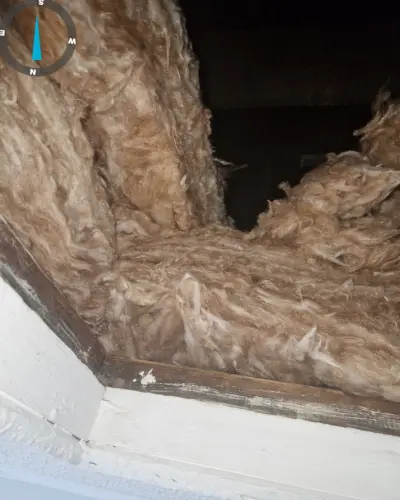
Loft Insulation Thickness Being Checked – Bramley – June 26
Heating Systems & Boilers
The heating system is one of the most important parts of the EPC assessment.
The assessor will normally inspect:
- Boiler type
- Boiler age (if identifiable)
- Heating controls
- Radiators
- Hot water cylinder
- Electric heating systems
- Storage heaters (if applicable)
If you have documentation relating to the boiler installation or heating upgrades, this can sometimes be helpful.
Heating Controls
Heating controls can positively affect EPC ratings.
The assessor may look for:
- Room thermostats
- Programmable timers
- Thermostatic radiator valves (TRVs)
- Smart heating controls
- Zone controls
Windows & Glazing
Window types and glazing are also recorded during the assessment.
The assessor may inspect:
- Double glazing
- Triple glazing
- Window frame types
- Glazing age (where identifiable)
Lighting Assessment
The EPC assessment also considers lighting efficiency.
The assessor may briefly check:
- LED Lighting
- Low energy bulbs
- Fixed lighting throughout the property
Electricity & Gas Meters
The assessor may need to see:
- Gas meter
- Electricity meter
- Meter locations
- Tariff information (occasionally)
This helps confirm fuel types and heating arrangements.
Extensions & Property Alterations
If the property has:
- Extensions
- Loft conversions
- Garage conversions
- Conservatories
These areas may also need to be assessed and measured as part of the EPC.
External Inspection
A brief external inspection may also take place to help identify:
- Wall construction
- Property age
- Extensions
- Roof type
- Insulation indicators
This is usually carried out visually from accessible areas around the property.
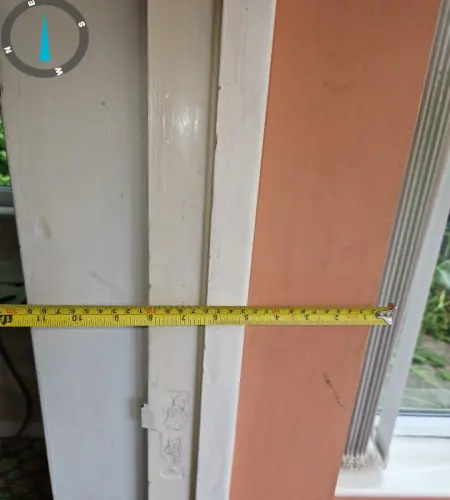
Wall Thickness Being Measured – Keighley – June 26
How To Prepare For Your EPC Assessment
To help the assessment run smoothly, it can help to:
✔ Ensure access to all rooms
✔ Clear access to the boiler if possible
✔ Make loft hatch accessible
✔ Unlock any converted areas
✔ Have any heating documentation available if possible
✔ Ensure meters can be accessed
✔ How To Improve Your EPC Rating before an inspection.
Does The Property Need To Be Empty?
No.
See our most frequent EPC FAQs.
Properties can still be assessed while occupied or furnished.
The EPC assessment is non-invasive and does not involve drilling, dismantling or disruptive work.
After The Assessment
Once the visit has been completed:
- The collected information is entered into approved EPC software
- The certificate is lodged on the national EPC register
- The completed EPC is normally sent electronically within 24 hours
Summary – What The Assessor Normally Needs To See
For a smooth EPC appointment, the assessor will usually need access to:
✔ All rooms and floors
✔ Boiler and heating systems
✔ Heating controls
✔ Loft access (where safe)
✔ Windows and glazing
✔ Gas and electricity meters
✔ Extensions or converted areas
✔ Front and rear elevations of the property
Book Your EPC
We provide professional EPC assessments across:
- Bradford
- Leeds
- Halifax
- Huddersfield
- Wakefield
- Surrounding West Yorkshire areas
📞 Call Now: 01274 020 890
Related Pages
You may also find these pages helpful:
- Free EPC Advice
- EPC Assessment Process
- Landlord EPC Advice
- Book EPC